Albany High School Graphic Design
Student Showcase 2007-2022
- A Problem To Solve
- Blend Tool Poster
- Book Covers
- Editorial Clipping Mask
- Editorial Graphic
- Flatten The Curve
- Focal Points
- InDesign Spread
- Pen Tablet Sketch
- Perf Film Windows — C106
- Photoshop Brush Face
- Product Flyer
- Product+Company Mashup
- Signs & Symbols
- Something is Back!
- Spec Ad—Poster
- T-shirts & Apparel
- Text-heavy Billboard
- The Perfect Color
- Thinking With Type
- Typeface Postcard
- Volleyball Poster
- Zachary’s Poster
- Things My Friends Say
- Journalism/Security Free Choice Assignment
- AHS Front Photoshop
- A Problem To Solve
- Blend Tool Poster
- Book Covers
- Brandmark Practice
- Editorial Clipping Mask
- Editorial Graphic
- Flatten The Curve
- Focal Points
- InDesign Spread
- Pen Tablet Sketch
- Perf Film Windows — C106
- Photoshop Brush Face
- Product Flyer
- Product+Company Mashup
- Signs & Symbols
- Something is Back!
- Spec Ad—Poster
- T-shirts & Apparel
- Text-heavy Billboard
- The Perfect Color
- Thinking With Type
- Typeface Postcard
- Zachary’s Poster
- Things My Friends Say
- Journalism/Security Free Choice Assignment

Jordan Lim
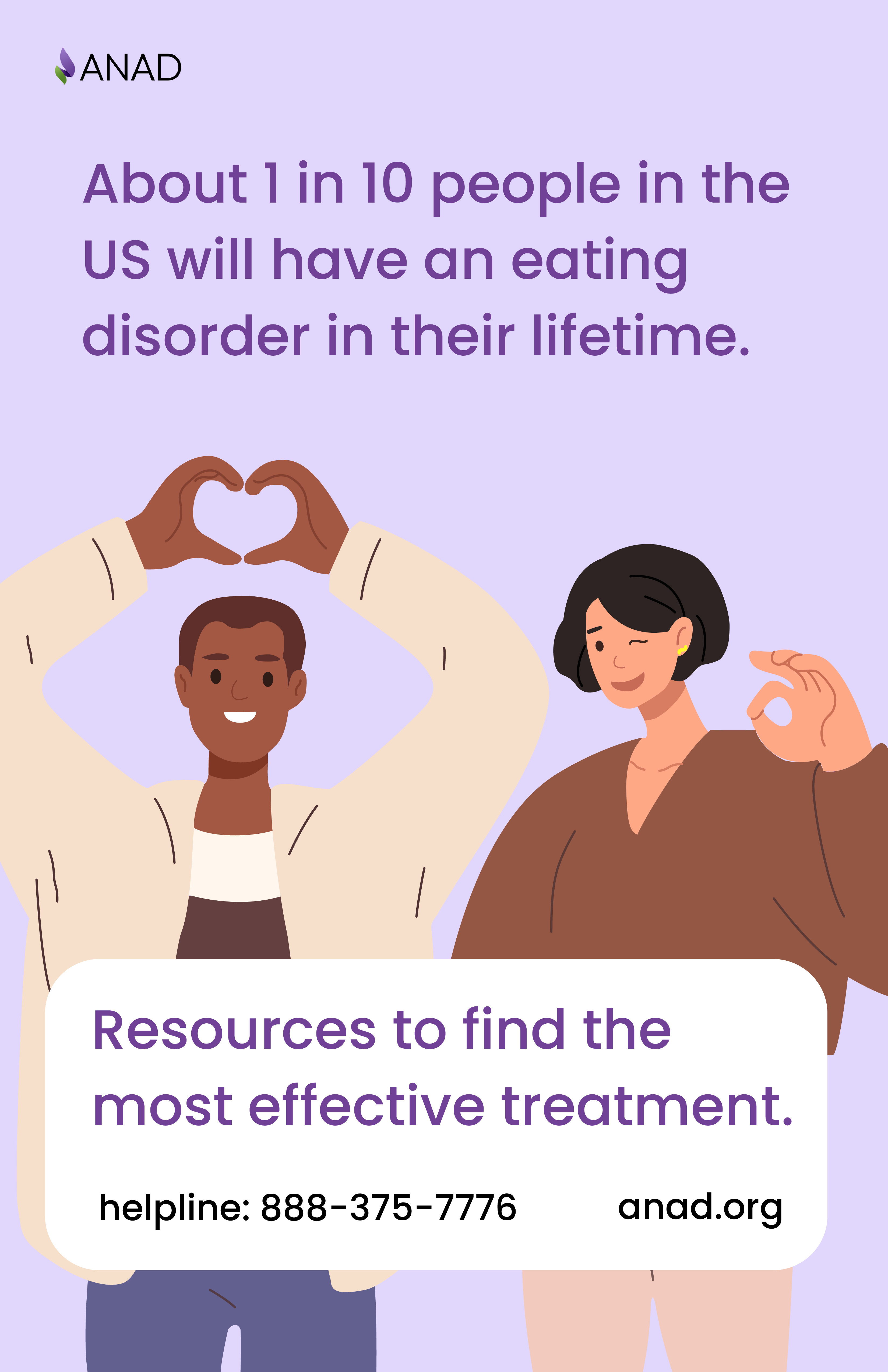
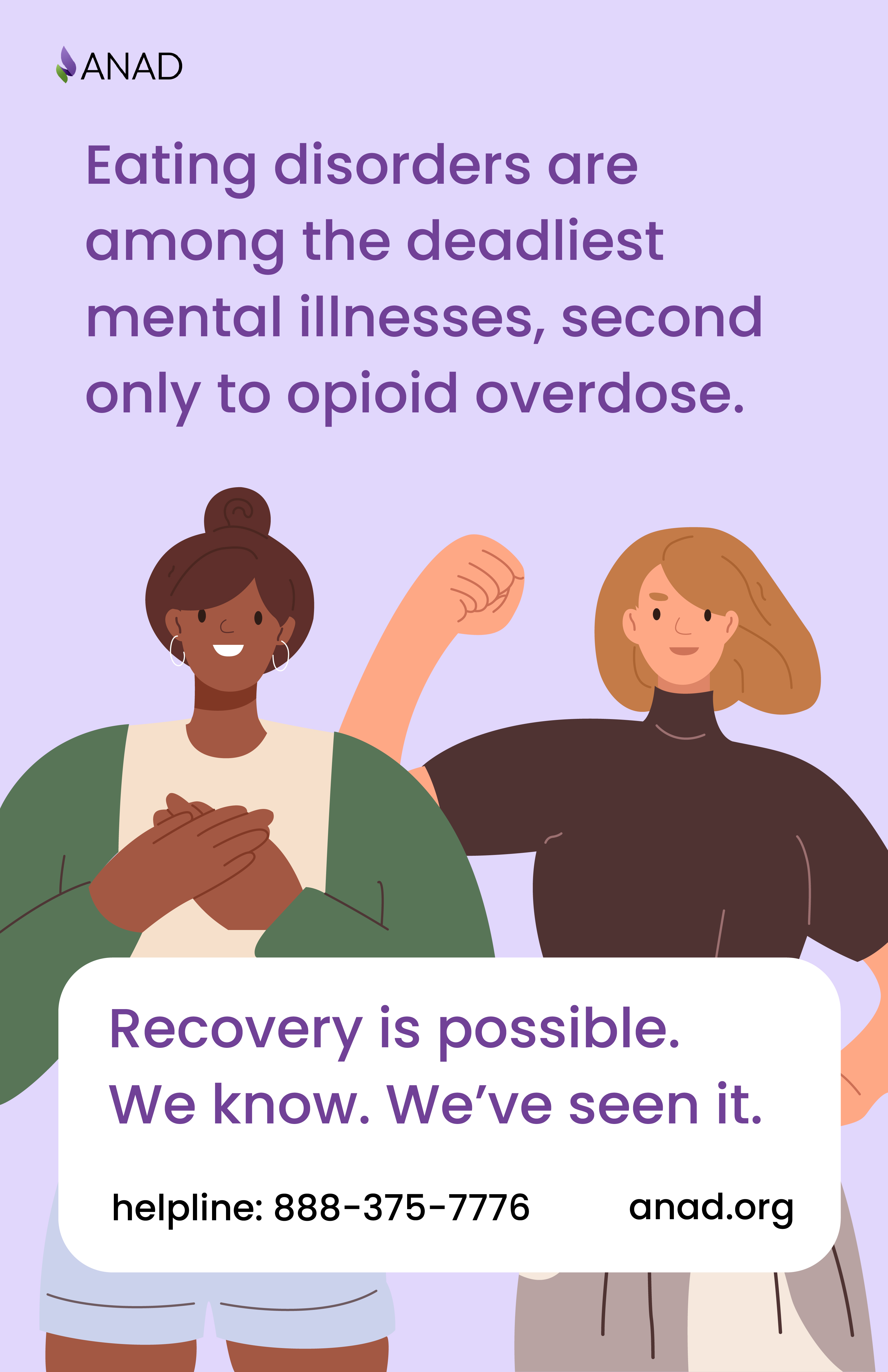
PROFILE/DESCRIPTIONCompany: ANAD (National Association of Anorexia Nervosa and Associated Disorders; a nonprofit)
Company Location: Chicago, Illinois
Mission/Values/Advantages/Attributes/Experience:
- “ANAD’s mission is to relieve suffering by providing support & education to those struggling with disordered eating and body image.” (supportive, informative)
- Free + accessible virtual services
- compassion, patience, openness, inclusivity, respect
- Promotes self-care, well-being
- Strengthens community, long-term relationships
Services: provides a call helpline, website with information about eating disorders, recovery mentors, and assistance connecting to other treatment/recovery programs (all online)
I will probably advertise a different one of their services on each poster, along with an eating disorder statistic and a vector graphic of a person who is not a stereotypical disordered person (the stereotype is generally female, medically diagnosed as underweight, white). In fact, less than 6% of people diagnosed with eating disorders are medically underweight.
Target Audience: My target audience is high school and college-age students. I plan to put the ads in the downtown Berkeley area because there is a college there (UC Berkeley) with a lot of students of different backgrounds, and a high school (BHS) that also has a lot of students.
GOALSAfter viewing these posters, I want people to feel like they can go to ANAD for help if they, or a loved one is struggling with disordered eating behaviors. Although eating disorders affect 9% of the US (and world) population, people don’t really talk about them. Often, eating disorders go unnoticed, even though they are the 2nd deadliest category of mental health conditions in the US. ANAD provides information on how to recognize eating disorder symptoms. Not every doctor or therapist knows how to handle eating disorders, and it’s often hard for people to access in-person treatment because of distance from clinics/hospitals, limits to or lack of insurance coverage, body weight, and more. Virtual treatment is usually much more accessible and less disruptive to a patient’s life.